マルチエージェントシステムにおける協調: 本番運用のための実践ガイド
2026年4月17日Lin Ivan
重要ポイント
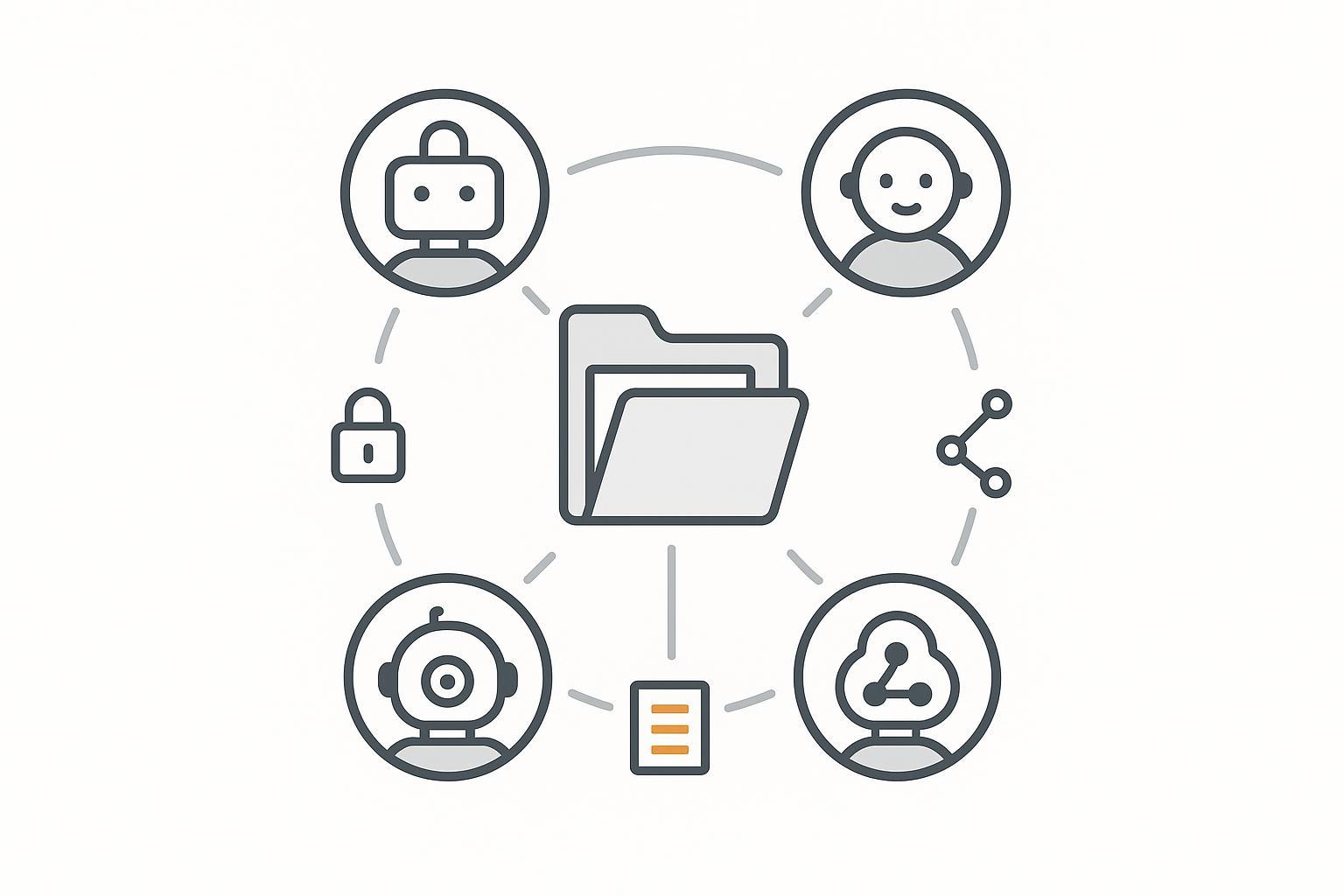
- マルチエージェント協調は、単にエージェント同士がメッセージを渡し合うことではありません。共有コンテキスト、共有ツール、共有された運用状態の上で動く、制御された workflow です。
- 高くつく失敗の多くは、古いコンテキスト、競合する書き込み、権限のにじみ、弱い rollback 経路から生まれます。
- プロトコルレイヤーは access を標準化できますが、scoped permissions、mutation control、version history を置き換えるものではありません。
- すべての prototype に重い構成が必要なわけではありません。しかし、agent が prompts、policies、runbooks、memory を共有して書き始めたら、明示的な mutation control が必要になります。
- Mut が重要になるのは、agent が context を読むだけでなく、継続的に書き換えるようになったときです。
本番での典型的な誤りは「協調 = agent 同士の会話」と考えること
マルチエージェントシステムが魅力的に見えるのは、1 つのモデルだけで planning、retrieval、execution、verification、governance を同時に高品質でこなすのが難しいからです。複数 agent に役割を分けることで、specialization と throughput は向上します。
しかし本番環境で協調が壊れる理由は、想像より地味です。最初に問題になるのは reasoning そのものではなく shared state です。異なる agent が異なる context を見て、同じ artifact に書き込み、曖昧な権限を引き継ぎ、しかも後から誰もきちんと再構成できない痕跡を残します。
Google Cloud と IBM はどちらも、multi-agent system を「共有環境で複数の autonomous agent が協力して問題を解く仕組み」と説明しています(Google Cloud, IBM)。出発点としては妥当ですが、本当に難しい部分は隠れています。環境が共有された瞬間、協調は agent messaging の話ではなく、context、boundary、change control の設計問題になります。
Anthropic の effective context engineering for AI agents も同じ方向を指しています。context は有限であり、システムは必要な context を意図的に取得して整形したときに、初めて安定します。
マルチエージェント協調がうまくいくのは、shared context、permission scope、mutation control、provenance を一級の設計課題として扱ったときです。
本番における「協調」とは何か
実務的な定義は次のとおりです。
マルチエージェント協調とは、複数の agent が共有された business context の上で動作しても、silent drift、unsafe action、再現不能な挙動を生まない状態を指します。
そのためには、いくつかの collaboration primitives が必要です。
| Primitive | 何を制御するか | それがないと何が壊れるか |
|---|---|---|
| Shared context | すべての agent が真実として依拠できるもの | 部分的な真実、古い回答、矛盾する判断 |
| Task coordination | 誰が何をどの順番で行うか | 重複作業、役割混線、不安定な handoff |
| Scoped permissions | 各 agent が使える tool、path、action | 過剰アクセス、意図しない露出、危険な write |
| Mutation control | 共有 artifact をどう編集、merge、rollback するか | 無音の上書き、壊れた prompt、policy drift |
| Provenance と audit | 後から何が起きたかをどう説明するか | 説明責任の欠如、遅い incident response |
「なぜか不安定」に見える多くの system は、これらのいずれかを曖昧にしたまま運用しています。
最初に表面化しやすい failure mode
Context fragmentation
ある agent は公式 repository の新しい policy を見ています。別の agent は scratchpad に残った古い summary を使っています。さらに別の agent は、あとで覆された Slack の決定を参照しています。
各 agent は自分の input に対しては “正しく” 動いていても、全体としては間違った system になりえます。
だからこそ context engineering が重要です。問題は tokens が足りないことではなく、正しい context を、正しいタイミングで、正しい source から渡せているか にあります。
Mutation layer なしの並行書き込み
これは多くの team が過小評価する failure mode です。
複数 agent が prompts、runbooks、policy files、exception lists、tool configs、memory artifacts を更新し始めた時点で、話は orchestration だけではなくなります。shared write の coordination 問題になります。
Git は human が conflict を対話的に解決する前提では有効です。shared folders も write が少なければ成立します。しかし unattended な agent が同じ operational surface を編集し始めると、"last writer wins" は incident の別名になります。
もしこの問題に見覚えがあるなら、version control for AI agent context が merge、scope、rollback の文脈をより深く補ってくれます。
Permission drift
初期 pilot はたいてい安全に始まります。
- read-only access
- 1 つの connector
- 狭い toolset
ところが例外が積み上がります。一時的な write path が恒久化し、support agent が internal analysis notes を読めるようになり、新しい integration が明確な approval boundary のないまま追加されます。
そうなると system はまだ productive に見えても、誰も次の単純な問いに答えられません。各 agent は実際には何ができるのか。
何か起きたとき provenance がない
遅かれ早かれ、誰かがこう聞きます。
- どの source が system of record だったのか
- どの agent がこの change を行ったのか
- 何が具体的に変わったのか
- 以前の状態に戻せるのか
もし答えが logs、prompts、app ごとの wrappers に散らばっているなら、その collaboration はすでに本番品質を満たしていません。
NIST の AI Risk Management Framework が有用なのは、trustworthiness と lifecycle controls を system design に組み込むことを明確に促しているからです。
巨大な shared prompt ではなく、各 agent に必要な context slice を渡すGet started実用的な reference architecture
本番で安定しやすい構成は、責務を分けることです。
user goal
  -> planner / coordinator
  -> worker agents with narrow roles
  -> governed context and tool access
  -> review / approval / rollback layer
  -> final action or response
各 layer は別々の問いに答えるべきです。
- Planner: 次に必要な作業は何か
- Workers: どの narrow task を実行しているか
- Context layer: どの evidence と policy が authoritative か
- Permission layer: 各 agent が何を見て何を変更できるか
- Mutation layer: 共有 artifact をどう write、merge、rollback するか
- Approval layer: どの action が model 外の runtime review を要するか
ここでは unified integration surface も重要です。connectors と external systems が一貫した abstraction で管理されていれば、どの data が存在し、どこから来て、どの agent がアクセスできるのかを考えやすくなります。puppyone はこれを Connections と path-aware な FLS permissions で説明しています。
protocol layer がこの stack のどこに位置するかをまだ整理中なら、MCP in agentic AI が最適な companion piece です。
どんなときに Mut が必要になるのか
ここを飛ばす記事は多いですが、非常に重要です。
agent が approved context を read し、人間に suggestion を返すだけなら、まだ dedicated mutation layer は不要かもしれません。
しかし shared operational context に継続的に write するなら、必要になる可能性が高いです。
対象は通常、次のようなものです。
- prompt packs
- SOPs と runbooks
- policy files
- evaluation configs
- allowlists
- customer memory files
- internal playbooks
これらの file が downstream agent の挙動を変えるなら、もはや単なる設定ではなく production state です。
そこで Mut が意味を持ちます。
Mut は agent-written context を前提にした version-management model が必要なときに有効です。人間が管理する code 向けの仕組みだけでは足りないケースです。実務上は次のような性質を持ちます。
- path-scoped visibility
- attributable writes
- automatic あるいは policy-driven merge behavior
- diff 可能な history
- context change が挙動を悪化させたときの高速 rollback
境界は次のように見るとわかりやすいです。
| Problem | 適した control plane |
|---|---|
| Pipeline stages、approvals、promotion rules | Orchestrator または workflow engine |
| Shared prompts、policies、playbooks、memory writes | Mut または Mut 類似の mutation layer |
| Path-level visibility と read/write boundary | Permission system |
| Incident reconstruction と rollback | Audit + version history |
この分離が重要なのは、team が orchestration tool に本来向いていない問題まで抱え込ませがちだからです。pipeline は change を先へ進めてよいかは判断できますが、shared context の安全な並行 mutation までは自動で解決しません。
協調を trustable にする最小コントロール
pilot を拡張前に review するなら、最低限この checklist は必要です。
- Canonical source が明示されている。 各 workflow は authoritative artifact を知っている。
- Context retrieval が意図的である。 agent は必要なものだけ取りに行き、巨大な prompt dump を受け継がない。
- Role が狭く設計されている。 planner、worker、reviewer、executor が無造作に混ざっていない。
- Permissions が path-scoped である。 agent は scope 外を列挙したり mutation したりできない。
- Writes が attributable である。 どの change も agent、task、time に結びつく。
- History が問い合わせ可能である。 diff、過去 version、rollback target を容易に確認できる。
- Approval が externalized されている。 危険な action が prompt wording のみに依存していない。
- Incident が再現可能である。 当時の context と permissions を復元できる。
この大半を満たせないなら、agent の数を増やす前に boundary を明確にすべきです。
もし今の問題が agent 数ではなく、planning、approval、execution の seam の弱さなら、次に読むべきは agentic workflow design です。
puppyone はどこで役立つのか
puppyone を使う最大の理由は “more AI” ではなく、よりクリーンな operational control です。
たとえば次のような場面で有効です。
- scattered copies ではなく 1 つの governed context layer が欲しい
- agent ごとに path-aware access control をかけたい
- external systems への明示的な connector surface が必要
- どの context が使われ、何が変わったかを audit したい
これは knowledge retrieval と context mutation の両方をまたぐ collaboration で特に効いてきます。
もし現在の architecture が ad hoc な folder、fragile prompts、tool wrappers の寄せ集めなら、今必要なのは autonomy を増やすことではないかもしれません。まず disciplined な context surface が必要です。次に読むなら agent permissions and audit design と context version control が最適です。
scoped context、audit 可能な writes、rollback-ready な collaboration が必要なら puppyone から始めるGet started最終提言
マルチエージェント協調を governed shared-state system として扱ってください。
"何体の agent を追加すべきか" から考え始めてはいけません。
先に問うべきは次です。
- どの context が canonical か
- 各 agent は何を read/write できるか
- shared artifact はどう version 管理されるか
- 悪い context change をどう rollback するか
- incident 後に decision をどう説明するか
これらの答えが弱ければ、agent を増やすほど弱さが増幅されます。
逆にここが強ければ、collaboration は flashy な demo ではなく本番 capability になります。
FAQs
Q1: マルチエージェントシステムは常に単一 agent より優れていますか?
いいえ。マルチエージェントシステムは specialization と parallelism を高めますが、coordination cost、permission complexity、shared-state risk も増やします。workflow が主に linear かつ read-only なら、よく設計された single agent の方が良いことも多いです。
Q2: 協調に必要な最小の shared context とは何ですか?
最低限、policies、instructions、current operational state についての canonical source of truth と、agent が scratchpad や古い summary から勝手に真実を作らないための定義済み update path が必要です。
Q3: いつ Mut を導入すべきですか?
agent が shared prompts、policies、runbooks、memory など、downstream execution の振る舞いを変える artifact に write し始めたときです。人間が依然としてすべてを review して merge するなら Git でも足りる場合がありますが、unattended write が増えるなら、より強い mutation control が必要です。